
Views: 0 Author: Site Editor Publish Time: 2026-02-06 Origin: Site


Choosing the right Shutter Motor often seems simple. Measure the opening, pick a motor, install it. In real projects, however, performance depends on accurate sizing based on curtain weight and required torque. When this step is missed, shutters may lift slowly, stop unevenly, or wear out early.
Many selection issues come from underestimated loads or skipped safety margins. That’s why experienced installers calculate before they buy. In this guide, you’ll learn how to measure openings, estimate curtain weight, convert torque, and confirm tube compatibility. We also reference proven manufacturers like OMKER, whose ISO9001 and CE-certified systems are designed around real-world load demands to support smoother operation and long-term reliability.
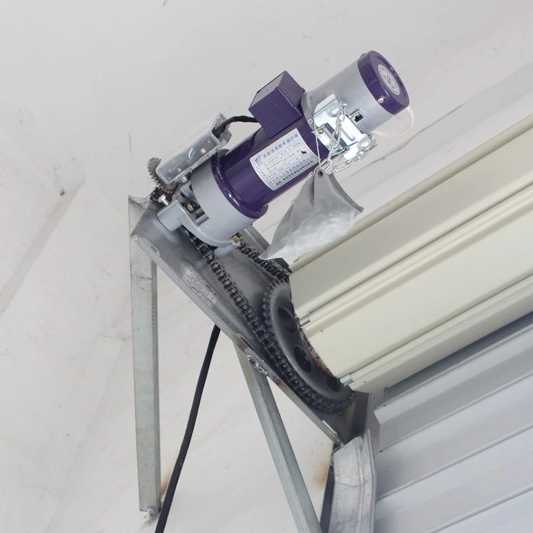
Begin by measuring the clear opening width and curtain travel height in meters. Include any roller box or housing that affects curtain movement. Area equals width multiplied by height.
Example:
● Width: 2.0 m
● Height: 2.2 m
● Area: 4.4 m²
Accurate measurement prevents underpowered motor selection and avoids last-minute site changes.
Curtain weight is the foundation of motor sizing. Estimate it by multiplying area by material weight per square meter. Typical field reference ranges (confirm with your curtain supplier):
Curtain Material | Approx Weight per m² |
PVC / Light Aluminum | 4–7 kg |
Standard Aluminum | 4.5–6 kg |
Wood | 10–11 kg |
Steel / Armored | 8–12 kg |
Example:
● Area: 4.4 m²
● Aluminum: 5 kg/m²
● Curtain weight: ~22 kg
If bottom bars, wind locks, or reinforcements are present, add a small allowance. Recording these assumptions creates consistency for future maintenance and upgrades.
A commonly used field method converts curtain weight directly into torque:
Minimum torque in Nm ≈ curtain weight in kg × 0.7
For a 22 kg curtain: 22 × 0.7 ≈ 15 Nm
This gives a baseline. From there, installers typically move up to the next standard motor class after adding safety margin.
Torque can also be understood physically as lifting force multiplied by roller radius, but friction, drum build-up, and guide resistance make rule-based sizing more practical for daily projects.
Real shutters never operate in perfect conditions. Guides accumulate dust, bearings age, and wind adds load. Adding 15–20 percent capacity protects the Shutter Motor from running at its limit.
For example:
● Calculated torque: 15 Nm
● Add 20 percent margin
● Target motor class: ~20 Nm
This extra capacity improves thermal stability and reduces long-term wear without excessive oversizing.
Motor selection also depends on tube compatibility. The motor body must fit the roller tube, and tube diameter influences lifting behavior as the curtain wraps.
Always confirm:
● Tube profile
● Tube diameter
● Matching motor adapters
Changing tube size late in fabrication can alter torque requirements, so lock tube specifications before placing motor orders.
Taller shutters introduce more friction and longer travel paths. Many teams add extra allowance when height exceeds standard ranges.
If one motor drives multiple curtains, each additional curtain increases load and starting resistance. Conservative margins help maintain smooth operation and reliable starts. Projects using shared-drive designs often benefit from supplier engineering input, which is why some integrators prefer partners like OMKER for complex configurations.
Use these ranges only as sanity checks after completing calculations:
Application | Typical Use | Common Torque |
Small windows | Light PVC or aluminum | 10–15 Nm |
Standard doors | Residential openings | 20–30 Nm |
Large openings | Commercial shutters | 40–60 Nm |
Security shutters | Industrial systems | 80 Nm+ |
If your calculated result falls far outside these ranges, recheck measurements and material assumptions.
Vertical travel determines how far the curtain moves against gravity and how long friction acts. Increasing height typically raises torque demand more sharply than increasing width. Width mainly influences tube stiffness and curtain distribution, while height directly affects lifting work.
Shutter motors rotate a shaft, not lift vertically. Curtain weight converts into rotational force through the roller radius. As the curtain winds, effective radius changes slightly, which explains why field sizing relies on safety margins rather than pure physics formulas.
Different curtain materials affect startup behavior and torque demand in very different ways.
To make motor sizing easier and more consistent, it helps to compare aluminum, steel, and insulated composite curtains side by side. This simple overview also supports building an internal weight reference for your most common lath models, which can speed up future projects.
Curtain Material | Startup Behavior | Torque Demand | Structural Strength | Design Variability |
Aluminum | Starts easily due to low mass | Lower | Moderate | Low |
Steel | Heavier start | Higher | High | Low |
Insulated Composite | Varies by design | Medium | Medium | High |
Profile design influences how smoothly a shutter starts:
● Slotted profiles reduce mass and airflow resistance
● Solid profiles increase stiffness but raise starting torque
● Reinforced profiles balance strength with added inertia
Even curtains with identical weight can feel different during startup because inertia distribution changes.
Wind pressure, dust in guides, and repeated starts add dynamic stress. Good alignment and proper guide installation matter as much as motor sizing. For exposed sites, stronger guides and appropriate enclosure ratings protect long-term performance.
Shutter Motor selection should consider not only torque but also how often the shutter operates each day. Usage frequency changes thermal load, braking stability, and long-term reliability, especially when comparing residential and commercial environments.
● Residential shutters typically operate only a few cycles per day, placing relatively low continuous demand on the motor system.
● Commercial shutters may run dozens of cycles per hour, creating sustained thermal and mechanical stress.
● High-cycle environments require motors designed for frequent operation, including built-in thermal protection and stable braking performance.
● Procurement teams often favor suppliers that publish clear duty cycle ratings and offer responsive technical support for retail and industrial installations.
Confirm tube profile and size before ordering, including whether the shaft is octagonal or round. A perfectly sized motor becomes useless if it does not fit the shaft or adapter system.
Always verify motor diameter, crown compatibility, and mounting brackets early in the selection process to avoid on-site delays and rework.
Commercial sites often require manual operation during power loss or system maintenance.
Manual override, reliable braking systems, and overload protection support safety compliance and reduce downtime during unexpected outages.
These features also help protect internal components and improve overall operational confidence for facility managers.
Outdoor installations demand attention to sealing, corrosion resistance, and proper cable routing. Environmental protection is part of system design, not an afterthought, especially in dusty, humid, or coastal areas.
Selecting motors with suitable enclosure ratings helps prevent moisture ingress and extends service life.
Check Area | Key Focus |
Roller Tube Fit | Shaft type, motor diameter match |
Safety Functions | Manual override, braking, overload |
Outdoor Protection | Sealing, corrosion, cable routing |
1. Measure opening size
2. Calculate curtain area
3. Determine material weight
4. Compute total curtain weight
5. Convert to minimum torque
6. Add safety margin
7. Confirm tube compatibility
8. Review usage frequency
9. Finalize motor class and features
Documenting each step simplifies service calls and future upgrades. Many B2B buyers also shortlist motors from proven manufacturers like OMKER, valued for stable production capacity and in-house R&D support.
Once torque and fit are defined, compare motors using clear pass-fail criteria:
Specification | Why It Matters |
Torque class | Handles curtain load |
Tube compatibility | Ensures physical fit |
Duty cycle | Matches usage |
Emergency override | Supports safety |
IP rating | Handles environment |
Warranty | Supports lifecycle cost |
Clear specifications accelerate procurement and reduce installation risk.
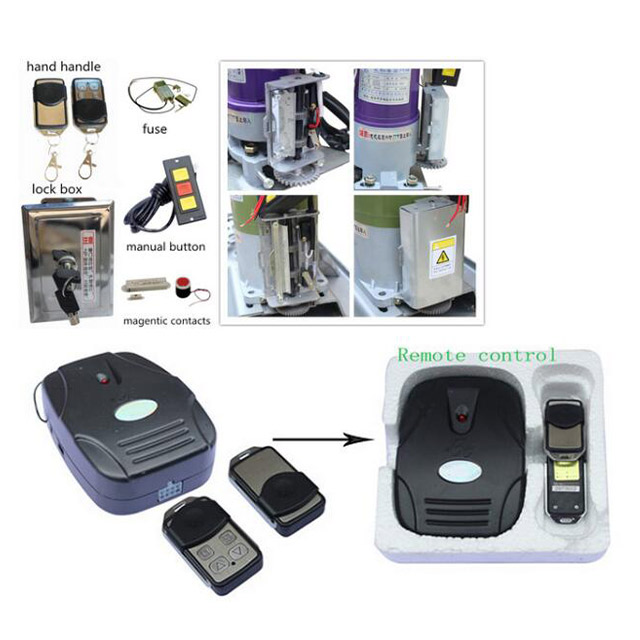
Professional installation ensures correct alignment, accurate limits, and safe wiring. These factors strongly influence motor lifespan.
Routine maintenance keeps friction low:
● Clean guides
● Inspect fasteners
● Check electrical connections
● Verify limits after major weather events
As sites grow or usage increases, periodic inspections help confirm the motor still operates within its designed range.
Choosing the right Shutter Motor follows a clear process. Measure accurately, calculate curtain weight, convert torque, add safety margin, confirm tube fit, then match duty cycle to real use. This method supports smooth lifting, fewer failures, and stable long-term performance.
A properly sized Shutter Motor balances load, geometry, and real job conditions. Working with Fujian Omker Intelligent Technology Co., Ltd. adds value through certified production, reliable motor designs, and responsive technical support, helping B2B teams reduce callbacks and protect project efficiency.
A: A Shutter Motor automates rolling shutters. Proper sizing based on curtain weight and torque ensures smooth lifting, accurate stopping, and longer service life.
A: Measure shutter area, estimate curtain weight by material, then multiply the weight by 0.7 for minimum torque. Add a 15–20% safety margin to handle friction and daily wear.
A: Height controls lift distance and friction time. Taller shutters usually need more torque, while width mainly changes load distribution and tube stiffness.
A: An undersized Shutter Motor may start slowly, overheat, or fail early. Accurate load calculation helps prevent uneven movement and premature component wear.
A: Cost depends on torque class, duty cycle, and features. Residential motors cost less, while commercial models with higher torque and protection cost more.
A: Use a standard torque calculation sheet for every project. It keeps sizing consistent and significantly reduces installation errors and service callbacks.


