
Views: 0 Author: Site Editor Publish Time: 2026-02-10 Origin: Site


Motorized shutters are now common in homes, storefronts, warehouses, and loading bays. They improve security, reduce noise, and support daily operations. But when a Roller Shutter Motor starts to fail, many people face the same question: should you replace it yourself, or hire a professional?
In this article, we compare DIY replacement with professional installation, focusing on safety, performance, and long-term value. You’ll learn what proper motor replacement involves, when DIY may be realistic, and how expert setup protects reliability and warranty.
By the end, you’ll understand how installation quality affects lifespan and total cost—so you can make a confident, informed decision.
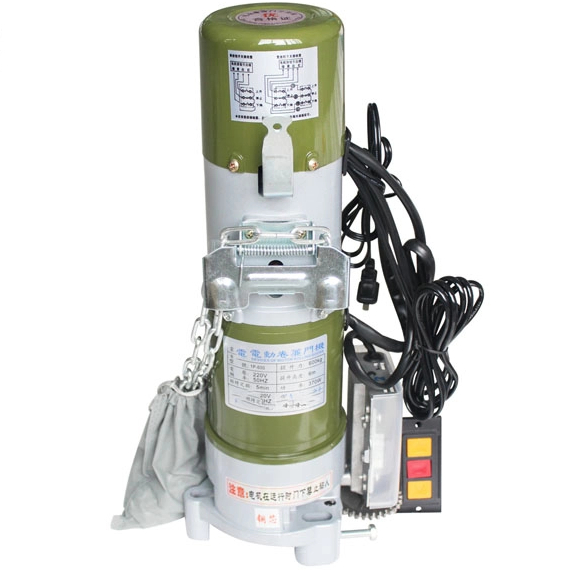
Yes—sometimes. But the answer depends on the motor type, power source, shutter weight, and your skill level. A Roller Shutter Motor is not just a “plug and play” part. Replacement often involves mechanical alignment, electrical isolation, and precise limit setting. Small mistakes can turn into rework, delays, and extra service calls.
Most replacements include these steps:
● Remove the old motor
● You usually open the housing, access the barrel or tube, then remove the motor side assembly. Some systems use tubular motors inside the roller tube, others use external motors.Shaft alignment
● The shaft must sit true. If it tilts, the curtain can track poorly. It may rub guides and strain the motor.Electrical connection and isolation
● Power must be isolated correctly. Wiring depends on motor type, control method (switch, remote, smart controller), and safety accessories.Limit switch calibration
● The shutter must stop at the right upper and lower positions. Poor limit setting causes repeated impact at end travel, which accelerates wear.Testing
You run multiple open/close cycles, listen for strain, and verify smooth movement.Tip: For B2B teams, document “before and after” motor specs, wiring notes, and limit settings. It speeds up future service work.
DIY replacement works best when the system is simple and low risk. Once shutter weight, wiring complexity, or calibration needs increase, DIY quickly becomes more challenging. The comparison below shows when DIY may be realistic—and when full Roller Shutter Motor replacement usually calls for professional support.
More DIY-Friendly Scenarios | Less DIY-Friendly Scenarios |
Low-voltage battery or solar setups | Mains-powered systems |
Light residential shutters | Heavy commercial shutters |
Basic control with minimal accessories | Multi-door sites needing consistent performance |
Minor swaps with identical motor type and matching mount | Systems linked to access control, timers, safety sensors, or building management |
In short, DIY often feels easy at first—but added shutter weight, electrical work, and precise calibration can quickly shift the balance toward professional installation.
If you plan DIY replacement of a Roller Shutter Motor, you need more than a screwdriver.
Skills
● Electrical basics: isolation, safe testing, correct connections
● Mechanical confidence: aligning shafts, brackets, mounts
● Working at height: ladders, safe positioning, stable support
● Calibration know-how: limit setting, safe end-stops
Tools
● Proper hand tools and fasteners
● Stable ladders or access platforms
● Voltage tester suited to the job
● Basic measuring tools for alignment
● Support equipment for heavy assemblies
This is the line most people underestimate. Mains-powered shutters combine electricity and heavy moving parts. Risks often come from hidden components and stored tension. Springs, cables, guides, and tracks can behave unpredictably if something slips.
Common safety exposures include:
● Electrical shock risk during wiring or troubleshooting
● Curtain drop if support is not secure
● Pinch points near guides and roller assembly
● Sudden tension release from internal parts
Even when the shutter looks stable, movement can happen fast once a bracket loosens or the curtain shifts.
DIY often saves labor cost. But the full cost picture includes tools, time, and risk.
Here is a practical way to view it:
● DIY savings: Often meaningful on labor.
● Professional value: Faster completion, correct alignment, correct limit setup, better compliance support, better warranty handling.
For businesses, downtime can outweigh any labor savings. A shutter failure at a storefront can affect trading hours. A shutter failure at a warehouse can disrupt loading schedules.
A Roller Shutter Motor can fail early if it fights the shutter every cycle. Good installation reduces strain. It improves service life and reduces callbacks.
Installation quality affects:
● End-stop behavior: limits prevent repeated impact
● Curtain tracking: alignment prevents rubbing
● Electrical stability: proper wiring reduces faults and trips
● Thermal load: a strained motor runs hotter
In purchasing terms, installation quality protects the motor’s total cost of ownership.
Professional installation is not only about “someone else doing it.” It is about process control: safe handling, correct sizing, correct wiring, correct calibration, and predictable performance.
For mains-powered systems, electrical compliance is a critical part of professional Roller Shutter Motor installation. Certified installers follow standard safety procedures to meet local regulations, which is especially important for commercial projects tied to insurance and procurement requirements.
Electrical Safety Step | Professional Handling |
Power Isolation | Safe shutdown before any wiring work |
Control Wiring | Correct connection based on control method |
Grounding & Protection | Compliance with local electrical rules |
Final Verification | Post-install testing and system checks |
Professionals install based on real shutter behavior, not guesses. They verify:
● Correct motor torque range
● Bracket and shaft condition
● Curtain balance and guide condition
● Smooth travel under load
They then set limits and test repeated cycles. It reduces uneven movement and reduces noise.
Many brands link warranty support to correct installation and correct usage. Professionals also provide workmanship coverage. This can be valuable on multi-site portfolios.
Brands such as OMKER highlight certifications and structured after-sales support, which helps buyers who want consistent supply plus clearer support paths.
They check:
● Shutter dimensions and curtain condition
● Guide alignment and wear points
● Mount integrity and bracket strength
● Space for motor and control components
They also confirm usage patterns: cycles per day, exposure to dust, temperature, or moisture.
Motor selection is not only “will it fit.” They match:
● Shutter weight and curtain type
● Duty cycle needs
● Torque and speed requirements
● Control method: switch, remote, smart controller
Manufacturers such as OMKER offer motors across multiple load ranges. It can simplify matching for installers, especially for projects covering different shutter sizes across sites.
Tip: For multi-site rollouts, standardize motor families and control types. It simplifies spares and training.
The core quality steps happen here:
● Mount motor and align shaft true
● Secure brackets and confirm fastener strength
● Route wiring cleanly and safely
● Program limits and control logic
● Add isolators or protection devices when required
A clean wiring route also improves serviceability later.
Professionals run multiple cycles:
● Listen for strain and check smooth travel
● Confirm upper and lower stop accuracy
● Verify remote pairing or smart control response
● Review manual override behavior if present
They then hand over manuals, basic use instructions, and service notes.
A simple comparison helps teams choose based on site role, risk, and cost.
DIY often takes longer, especially on the first attempt. Setup delays, missing tools, or repeated adjustments can slow progress. Professionals finish faster because they know the sequence, arrive prepared, and avoid trial-and-error. This speed matters when shutters affect access, security, or daily operations.
Installation accuracy directly impacts daily performance. Small alignment or limit-setting errors can create noise, uneven travel, or extra motor strain. Reliability matters even more for high-cycle doors, busy storefronts, and industrial sites, where consistent movement supports safety, workflow, and equipment lifespan.
For business sites, compliance and insurance can be deal-breakers. Professional work often supports documentation needs.
Here’s a quick decision table:
Decision Factor | DIY Replacement | Professional Installation |
Best fit | Low-voltage, light shutters, simple controls | Mains systems, heavy shutters, commercial use |
Speed | Often slower first time | Often same-day or scheduled slot |
Safety control | Depends on user skill and tools | Process-driven, safer handling |
Calibration quality | Varies | Consistent limit setting, smoother travel |
Warranty confidence | May be unclear | Often stronger due to documentation |
Long-term cost | Can rise if rework occurs | Often lower through fewer callbacks |
Choosing between DIY and professional installation mainly depends on system complexity and usage level. Simple home setups may suit DIY, while commercial environments usually benefit from professional support.
DIY May Fit | Professional Installation Fits |
Low-voltage or simple systems | Mains-powered systems |
Light residential shutters | Heavy commercial shutters |
Safe, easy access to the assembly | Limited or elevated access areas |
Basic technical knowledge | Compliance and documentation required |
Occasional home use | High-usage doors where downtime matters |
Industrial-grade suppliers like OMKER emphasize certifications, production scale, and consistent output, which supports B2B procurement focused on reliability across many installs.
● Proven experience in your shutter type
● Clear quote that lists parts and labor scope
● Warranty on labor
● Ability to support future maintenance
● Professional safety practices on-site
Ask direct questions:
● “How do you confirm correct motor sizing?”
● “How do you set and verify limits?”
● “Do you test multiple cycles on handover?”
● “Can you support remote or smart controls?”
● “What paperwork do you provide?”
Note: If they avoid details, it may signal weak process.
Local support matters for urgent repairs. If a site has many shutters, select a provider who can respond quickly and stock common parts.
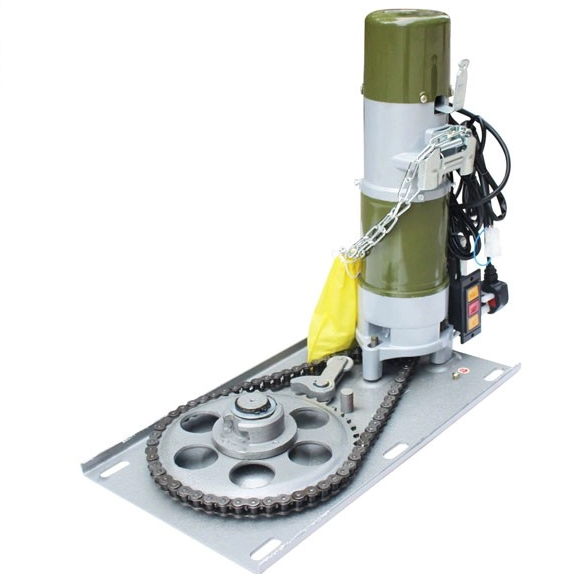
After install, daily habits can protect your Roller Shutter Motor and reduce service calls.
Basic daily care helps extend the life of your Roller Shutter Motor and keeps operation smooth. Simple maintenance habits can prevent small issues from turning into costly repairs.
Routine Care Task | Purpose |
Keep guides clear of debris | Prevent obstruction and uneven travel |
Clean dust around moving parts | Reduce friction and buildup |
Lubricate as recommended | Support smooth motor movement |
Listen for new noises | Catch problems early |
● Avoid repeated rapid cycling
● Do not force movement if it jams
● Use manual override only as intended
● Train staff on normal operation, not workarounds
If your team sees uneven movement or jerky stops, schedule inspection early. Early action prevents larger repairs later.
Replacing a Roller Shutter Motor can be safe in limited DIY cases, mainly low-voltage and light-duty systems. For mains power, heavy shutters, or commercial sites, professional installation offers stronger safety, smoother performance, and better long-term value.
Reliable installation protects uptime, reduces strain, and supports warranty coverage. Choosing quality products also matters. Companies like Fujian Omker Intelligent Technology Co., Ltd. provide certified Roller Shutter Motor solutions with stable performance and structured service support, helping businesses achieve consistent operation and lower total ownership cost.
A: You can replace a Roller Shutter Motor in simple, low-voltage systems if you have basic tools and experience. For mains-powered or heavy shutters, professional installation is usually safer and more reliable.
A: A Roller Shutter Motor replacement includes removing the old unit, aligning the shaft, reconnecting power, setting travel limits, and testing multiple open–close cycles for smooth operation.
A: Commercial Roller Shutter Motor systems handle heavier loads and higher usage. Professionals ensure correct sizing, safe wiring, and precise calibration, which helps protect uptime and warranty coverage.
A: Costs vary by motor type and shutter size. DIY may save labor, but professional installation often provides better long-term value by reducing breakdowns and extending motor lifespan.
A: Proper installation reduces strain, improves smooth travel, and helps a Roller Shutter Motor last longer. Poor alignment or limit settings can cause early wear and frequent service calls.
A: Slow movement, uneven travel, unusual noise, or shutters stopping midway often indicate Roller Shutter Motor issues that need inspection.


