
Views: 0 Author: Site Editor Publish Time: 2026-01-07 Origin: Site


Installing a barrier gate is an essential part of establishing secure and efficient vehicle access control for parking lots, toll gates, or restricted entry points. However, ensuring that the installation process is done correctly is just as important as choosing the right gate. Proper installation guarantees not only the gate’s optimal performance but also its longevity, safety, and smooth integration with other systems. In this article, we will guide you through everything you need to know before purchasing a barrier gate, including site planning, electrical setup, safety compliance, common installation challenges, and post-installation verification. Whether you're installing a barrier gate for the first time or replacing an old system, understanding the full installation process will help you make informed decisions that lead to successful operation.
When you choose a barrier gate, the installation process plays a significant role in ensuring the system operates as intended. The gate's performance, longevity, and safety depend on proper installation, including careful consideration of the site, correct electrical connections, and compliance with relevant safety standards. Poor installation can lead to malfunctioning gates, increased wear and tear, and unnecessary repairs, all of which can significantly affect the efficiency of your access control system.
Proper installation ensures that the barrier gate is aligned correctly, integrates smoothly with other security systems like RFID or license plate recognition, and operates efficiently under varying environmental conditions. Therefore, understanding the installation requirements beforehand is key to ensuring your system’s success and minimizing costly downtime or repairs down the line.
Before purchasing a barrier gate, a thorough site assessment is crucial to ensure that the installation process goes smoothly and that the gate will function correctly. Proper planning can save time, money, and prevent complications during installation.
Measuring Lane Width and Clearance:
One of the first steps in the planning phase is measuring the width and height of the entryway where the barrier gate will be installed. It's important to ensure that the gate has enough clearance for vehicles to pass through and that the boom arm can fully extend without obstruction. Depending on the type of gate you are purchasing, the width and height of the entry lane should be sufficient to accommodate the gate’s movement.
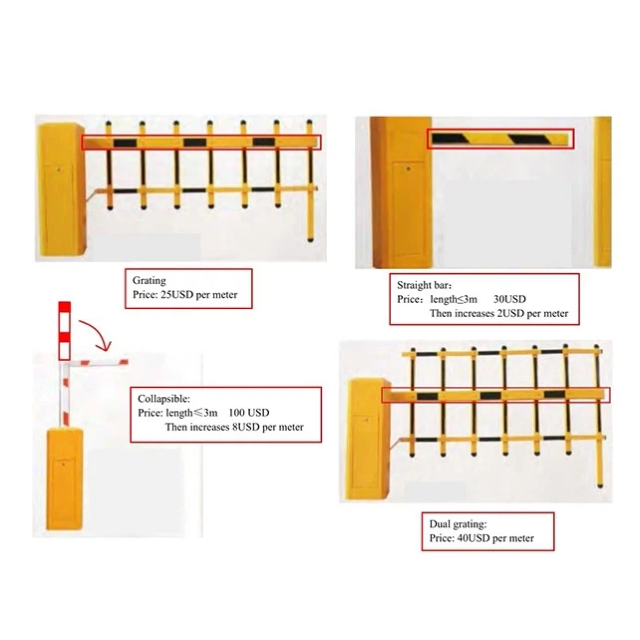
Additionally, if you’re installing a straight arm barrier gate, ensure that there is enough overhead clearance. For articulated or folding arm gates, you will need less vertical space but should ensure enough clearance for the gate to fold or extend properly.
Soil and Foundation Requirements:
The foundation for the barrier gate needs to be stable and level to avoid operational issues. Whether the installation site has a concrete surface or soil foundation, it is critical to ensure that the surface is solid and capable of supporting the weight of the gate. A poorly constructed foundation could result in improper gate operation, excessive vibrations, or even damage to the gate’s components.
Proper electrical and control system setup is vital for the smooth functioning of your barrier gate. The gate’s power supply, wiring, and integration with existing access control systems must be carefully planned to ensure seamless operation.
Power Supply Needs:
Barrier gates typically require a reliable power source to operate the motor and other components. Before installation, make sure that the location has access to an adequate power supply, whether it’s standard AC or a more specialized power source for remote installations. Ensure the voltage and amperage specifications match the requirements of the gate you are purchasing. Omker’s barrier gates come with precision components that support a range of power needs, ensuring consistent performance even in challenging environments.
Integration with Access Control:
Modern barrier gates can be integrated with various access control technologies such as RFID (Radio Frequency Identification), LPR (License Plate Recognition), and remote management systems. When planning the installation, consider how the gate will integrate with these systems. Ensuring that your barrier gate is compatible with RFID readers, license plate recognition cameras, or remote control systems is crucial for optimal functionality. These systems help automate the entry process, improving security and reducing wait times for users.
Additionally, consider the wiring layout for these systems, ensuring proper placement of sensors and controllers to avoid interference with the gate’s movements.
When installing a barrier gate, it is essential to ensure that the system meets local safety and regulatory standards. Compliance with these standards helps guarantee the safety of users and the proper functioning of the gate.
Local Codes and CE Features:
Local building codes, safety regulations, and environmental standards must be taken into account when installing a barrier gate. In many regions, these regulations govern how gates should be installed to ensure they don’t pose a safety risk. Additionally, CE certification is crucial as it demonstrates that the barrier gate meets European safety, health, and environmental protection standards. Omker’s barrier gates are CE-certified, ensuring they meet or exceed these important safety standards.
Proper Vehicle Sensing Zones:
Proper vehicle sensing zones are vital to ensure the safety of users and prevent accidents. A vehicle detection system is typically used to automatically trigger the gate to open or close when a vehicle is detected. Correct placement of the sensors is crucial for accurate detection. For example, if the sensor is too far away, the gate may not open in time; if it is too close, it may malfunction. Installing the sensor in the correct location, as well as adjusting its sensitivity, ensures optimal safety and performance.
During the installation process, several common challenges can arise. Knowing how to anticipate and address these issues will help ensure the installation process goes smoothly.
Common Issues (Alignment, Wiring) and How to Avoid Them:
One of the most common issues faced during barrier gate installations is improper alignment. Misaligned gates can result in slow operation, increased wear on the components, or even system failure. Ensuring that the gate is installed at the correct height and aligned properly will prevent these issues.
Another challenge is wiring. Incorrect wiring can cause operational delays or even system malfunctions. Ensuring that all electrical connections are secure, properly insulated, and compliant with local regulations is essential for the successful operation of the gate.
To avoid these common issues, consider working with professional installers who have experience with barrier gate systems. They can ensure proper alignment, wiring, and system setup.
Once the barrier gate is installed, the next step is to perform thorough testing and commissioning to ensure everything works as expected.
Final Checks:
During the testing phase, all components of the barrier gate system, including the motor, boom arm, sensors, and control systems, should be thoroughly checked for functionality. It’s important to verify that the gate opens and closes smoothly, the sensors are functioning correctly, and the gate integrates seamlessly with other security systems. Performing final checks ensures that no issues are overlooked before the system goes live.
User Training and Performance Verification:
Proper user training is an essential part of the installation process. Users should be educated on how to operate the barrier gate, how to troubleshoot basic issues, and how to maintain the system. Additionally, performance verification ensures that the gate is operating at peak efficiency and that all features, such as remote access or license plate recognition, are functioning correctly.
A professional installation process ensures that your barrier gate functions optimally, reducing the risk of malfunctions and extending its lifespan. While DIY installations may seem cost-effective, working with experienced professionals ensures that the system is set up correctly, meets all safety standards, and integrates seamlessly with your existing infrastructure. By choosing Omker’s barrier gates and investing in professional installation, you are ensuring long-term performance and better ROI for your access control system. For reliable installation and superior quality, contact us today to discuss your project and learn how we can help with your barrier gate needs.
How do I measure the lane width for a barrier gate installation?
The lane width should be measured to ensure that the barrier gate can fully extend without obstruction. It is important to ensure enough space for vehicles to pass through and for the gate’s boom arm to operate properly.
Can I integrate my barrier gate with an existing RFID system?
Yes, Omker’s barrier gates are designed to integrate seamlessly with RFID systems, license plate recognition, and remote management systems, making them ideal for automated access control.
What safety standards should be considered during installation?
It’s important to adhere to local building codes, safety regulations, and CE certification standards when installing a barrier gate. Ensuring proper vehicle sensing zones and compliance with these regulations will guarantee safe operation.
How do I avoid wiring issues during installation?
Ensure all electrical connections are properly insulated and follow local electrical codes. If you are unsure, consider hiring a professional installer to ensure correct wiring and prevent issues that may affect gate performance.


