Control frequent vehicle passage
Use an automatic parking barrier where the lane needs rapid, visible control without sealing the entire perimeter.
- Parking facilities
- Office and commercial entries
- Ticketed or authorized lanes

Configure an entrance around traffic volume, lane width, gate structure and access authorization. OMKER parking gate systems include automatic boom barriers for managed lanes and sliding gate openers for entrances that require a full physical closure.
The correct parking gate equipment depends on the operating objective. Begin with how the site moves vehicles, how the entrance closes and which system authorizes access.
Use an automatic parking barrier where the lane needs rapid, visible control without sealing the entire perimeter.
Use a sliding gate opener when the moving gate panel must physically close the driveway after each authorized vehicle.
Plan the operator, controller and external recognition devices as one lane system. Confirm electrical interfaces and component compatibility before ordering.
These OMKER products provide starting points for integrators, installers and project buyers. Final specification should be based on boom length, gate weight, traffic cycle, environmental conditions and control requirements.
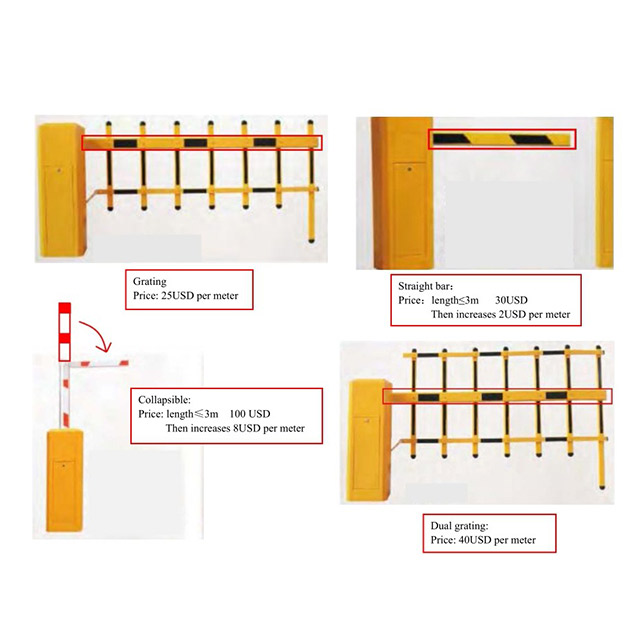
A DC brushless barrier platform for continuous traffic control with straight, folding or telescopic arm configurations.
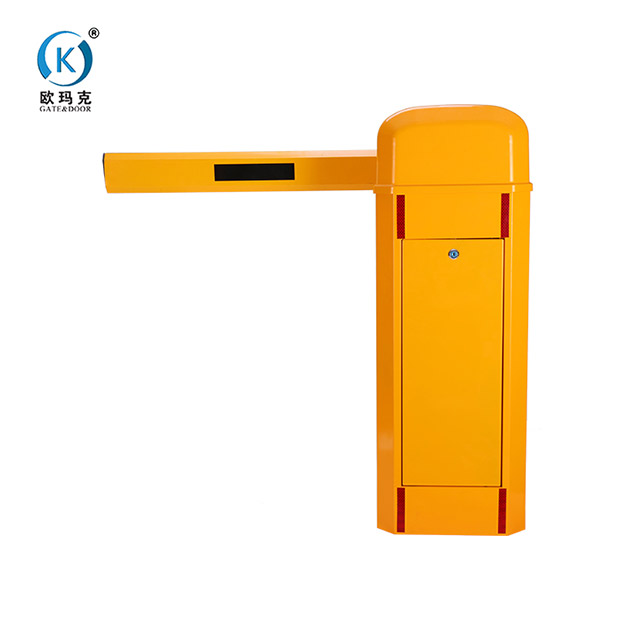
A 24V brushless motor barrier designed for continuous duty and adaptable boom styles across different lane layouts.
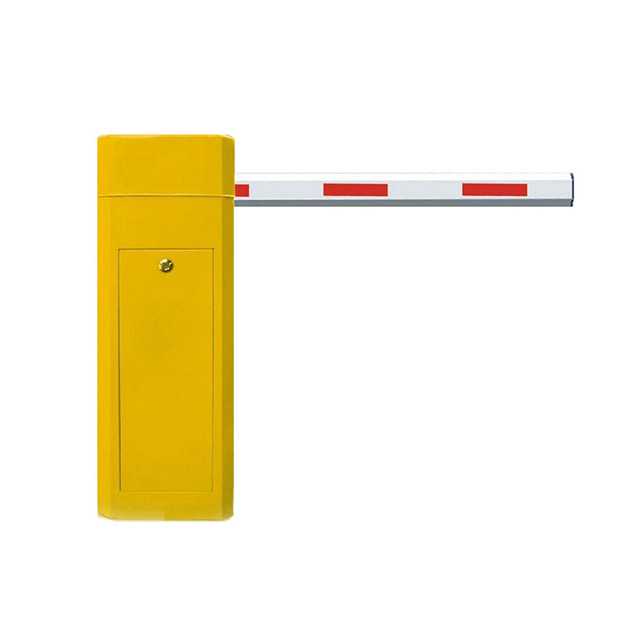
A cold-rolled steel cabinet and straight aluminum boom provide a practical configuration for clearly defined vehicle lanes.
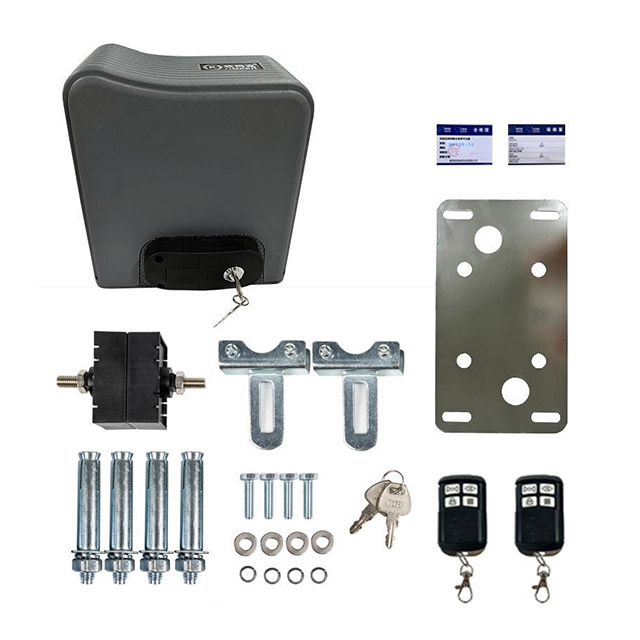
A rack-and-pinion AC sliding gate operator for moving gate panels up to 1200 kg in residential and commercial entrance projects.
Both automate vehicle access, but they solve different physical and operational requirements.
| Decision factor | Automatic parking barrier gate | Sliding gate opener |
|---|---|---|
| Primary purpose | Regulates vehicle flow with a rising boom arm. | Moves a gate panel to close the complete opening. |
| Best fit | Parking lanes, toll-style entries, visitor control and frequent passage. | Residential, commercial or industrial perimeters requiring a physical gate. |
| Traffic priority | Faster cycles and visible lane control. | Secure closure and gate-leaf movement. |
| Site data needed | Lane width, headroom, boom length, traffic frequency and safety devices. | Gate weight, opening width, rack alignment, travel distance and duty cycle. |
| Access integration | Can be coordinated with ticketing, RFID/UHF, LPR/ANPR and loop detection where interfaces and external devices are compatible. | Can be coordinated with remotes, keypads, readers and mobile control options where supported by the selected controller. |
Boom format should be selected around the lane geometry and available overhead clearance—not by product appearance alone.
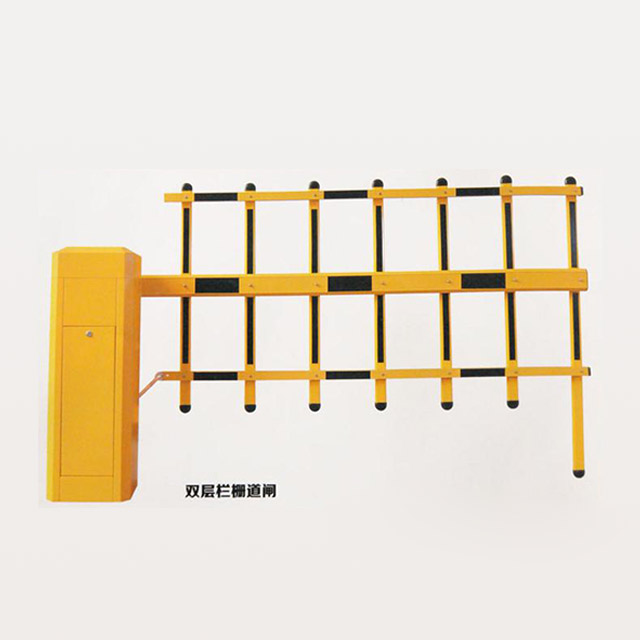
A parking gate system is more than the motor and boom. The complete lane may combine authorization, detection, safety and management components.
Use compatible RFID/UHF readers, ticketing terminals, keypads or license plate recognition equipment to send an approved opening command.
Plan loop detectors, infrared photocells, obstacle reversal and warning devices around vehicle and pedestrian movement.
Confirm RS485, dry-contact, power and controller requirements. Readers, cameras and detectors may be external or optional rather than included.
Following OMKER's Cases structure, this section routes buyers to residential, industrial and commercial gate opener solutions according to the way each site operates.
Convenient, controlled access for villas, residential compounds and community entrances.
Robust entrance automation for factories, logistics sites and high-duty operating environments.
Efficient vehicle-entry control for offices, hotels, parking facilities and business parks.
Share the basic entrance data so the OMKER team can recommend a suitable product direction. For accurate selection, include photos or drawings on the contact page when available.
A barrier gate raises a boom to regulate vehicle flow through a lane. A sliding gate opener moves an entire gate leaf, making it more suitable when the entrance must be physically closed.
Measure the clear lane width and account for cabinet position, arm support, vehicle path and nearby obstacles. OMKER barrier configurations commonly cover 3–6 m boom requirements, but the final match depends on the selected model and operating speed.
Selected controllers can interface with compatible RFID/UHF readers, LPR/ANPR cameras or ticketing terminals through supported connections such as dry contact or RS485. These recognition devices may be external or optional and should be confirmed for each project.
Provide gate weight, opening width, rack condition, travel distance, expected cycles, power supply, installation environment and preferred control method. Gate condition and alignment should be checked before automation.
Depending on the site, consider loop detectors, infrared photocells, obstacle reversal, warning lights, reflective boom markings and manual release. The installer should assess both vehicle and pedestrian movement.
OMKER offers customization support for project requirements such as boom format, housing color, branding, power configuration and compatible control functions. Confirm minimum order quantities and technical feasibility with the sales team.
Send OMKER your site data for a practical product recommendation.
