
Views: 0 Author: Site Editor Publish Time: 2025-09-24 Origin: Site


Resetting a gate opener can resolve many common faults, but for Ghost Controls series units, following the manufacturer’s specific procedures is essential to avoid data loss or damage. This guide focuses exclusively on resetting gate openers, helping you safely restore functionality without guesswork.
If resetting your opener doesn't fix the issue, your system may need an upgrade. Omker manufactures heavy-duty automatic gate openers designed for high-frequency residential and commercial use.
[Explore Omker Universal Heavy-Duty Gate Openers]
Before attempting any reset on your Ghost Control gate opener, it is critical to identify the exact model and diagnose the system status via LEDs and beep codes.
Ghost Controls offers several models, such as the Ghost Controls TSS1, TSS2, and TSS2XL, each with distinct reset procedures. The model number is typically printed on the control box or in the user manual. Refer to the official Ghost Controls website or your product’s manual to find detailed instructions, wiring diagrams, and error code definitions tailored to your model. Ensuring you follow model-specific instructions prevents accidental misconfiguration and preserves warranty coverage.
Your Ghost Controls opener may use LED indicators or beep sequences to signal operational status or faults. Before resetting, observe and document these codes precisely. This information is invaluable for troubleshooting and helps you confirm whether a reset is appropriate or if other repairs are needed. Common beep codes can indicate issues such as motor stall, low battery, or sensor faults, so don’t skip this step.
A soft reset, or power cycle, is the safest initial step to clear transient errors without affecting stored programming.
Turn off the mains power to your Control opener or disconnect its supply for approximately 30 seconds. This pause allows the system’s internal electronics to fully discharge, clearing temporary faults. Some users find that waiting slightly longer, up to one minute, ensures capacitors are fully discharged.
After restoring power, test your gate opener by using the remote control or wall-mounted switch to open and close the gate. If the unit functions normally, no further reset steps may be required. This simple reset often solves minor glitches caused by power surges or momentary faults.
If the soft reset does not resolve your issues, the next step is a control-board reset, which clears certain memory areas and restores default logic but preserves your core settings with proper procedure.
For many Ghost Controls models, the reset is performed using the JOG OPEN and JOG CLOSE buttons on the control board:
Ensure the power is ON.
Press and hold both JOG OPEN and JOG CLOSE buttons simultaneously.
Keep holding until the unit beeps repeatedly or gives three beeps signaling a successful reset.
Release the buttons.
This sequence instructs the control board to reset its internal logic. The beep signals confirm the reset has been accepted. This method is preferred over full factory resets as it minimizes the need to reprogram complex settings.
Following a control-board reset, you may need to reprogram your remotes, keypad devices, and gate travel limits. Always keep a record of your original settings before performing a reset to simplify this step. Consult your specific model’s manual for detailed re-pairing instructions. For example, the TSS2XL uses a specific button sequence to pair remotes that differs slightly from other models.
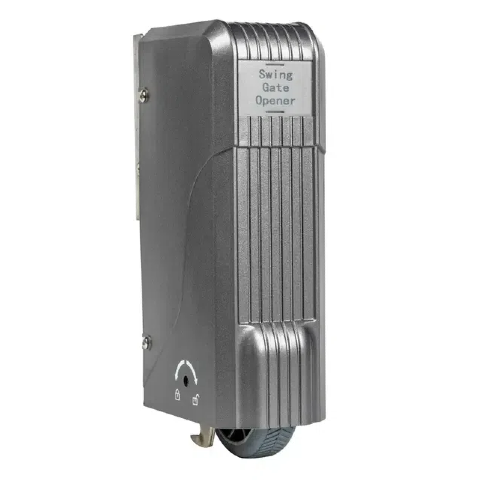
Some issues originate from low or failing backup batteries, which can trigger special beep codes and require targeted resets.
If your Ghost Control unit signals a low battery through beeps or LED warnings, replace the backup battery with the manufacturer-recommended type or recharge it if rechargeable. Failing to address battery issues can lead to intermittent faults or loss of stored settings. Using incompatible batteries may cause damage or void warranties, so sourcing OEM or approved batteries is important.
Certain Ghost Controls models include specific reset steps triggered by battery replacement or charge cycles. These steps may involve powering the unit on/off in sequence or pressing buttons to acknowledge battery status. Check your model’s instructions carefully. In some cases, the unit will automatically clear low battery alerts after a full charge cycle.
Faulty or misaligned safety photocells, damaged wiring, or malfunctioning loop detectors can prevent your Ghost Control opener from operating correctly. Inspect and clean photocells, check wiring connections, and ensure no obstructions block sensors. Spider webs, dirt, or bright sunlight can cause false triggers, so keep sensor lenses clean and aligned.
If your remote control signal remains weak after resetting, check out Omker’s 433.92MHz Universal Gate Opener Remotes & Receivers compatible with most swinging/sliding gate systems.
While minor electrical glitches can be easily solved with troubleshooting or component adjustments, persistent hardware breakdowns often make continuing to repair an aging gate motor financially impractical. Repeated maintenance on a worn-out system ultimately leads to high cumulative expenses, unexpected security vulnerabilities, and ongoing daily downtime.
Here are 4 clear signs that it is time to replace your gate motor instead of repairing it:
**Severe Electrical Component Failure**: When main control boards or internal wiring suffer from extensive burnout, short circuits, or water damage, the cost of specialized replacement components frequently approaches the price of a brand-new, complete automated system.
**Advanced Mechanical Wear and Internal Noise**: Persistent gear grinding, heavy motor drag, or mechanical seizing point to permanent structural fatigue and degradation that standard part replacements cannot resolve.
**Chronic Thermal Overheating and Power Deficit**: If your gate motor continuously trips its thermal overload protection or struggles during daily operation, the system is fundamentally underpowered for your current gate weight or high-frequency usage cycle.
**Discontinued Components and Obsolete Parts**: Sourcing original replacement parts for older, discontinued motor models becomes increasingly difficult, leading to prolonged repair wait times and inflated maintenance bills.
If your existing gate opener frequently trips, struggles under heavy gate loads, or experiences motor overheating during high-frequency use, simply resetting the system may only provide a temporary fix.
Below is a comparison highlighting how Omker’s Heavy-Duty Commercial & Residential Gate Openers provide higher load capacity, intensive duty cycles, and direct factory customization compared to standard retail models:
| Feature / Specification | Ghost Controls (Standard Models) | Omker Commercial/Residential Series |
| Motor Type | 12V DC | 24V DC / Heavy-Duty Motor |
| Max Gate Weight | Up to 300 - 900 lbs | Up to 1500 - 2200 lbs |
| Duty Cycle | Standard Residential | Intensive / High Frequency Use |
| Customization / OEM | Retail Standard | Direct Factory Customization Supported |
| Upgrade Path | Retail Replacement | [View Omker Swing Gate Series] |
Contact Omker’s technical engineering team for step-by-step troubleshooting assistance, or ask us about direct replacement packages tailored to your gate's dimensions and weight.


